
Kitchen Renovation Cost London (2026 guide)
Real prices, expert tips, and budgeting advice
Thinking about renovating your kitchen in London? You’re not alone. A kitchen renovation is one of the most popular home improvements in the capital right now — and for good reason. It adds value, transforms your daily life, and turns what is often the most-used room in the house into somewhere you actually want to spend time.
But let’s be honest: one of the first questions everyone asks is, “How much is this going to cost me?” And honestly? It’s a fair question, because getting it wrong can be genuinely painful. We’ve spoken to homeowners across South East, South West, and Central London who’ve gone in with one number in mind and come out the other side with a very different experience.
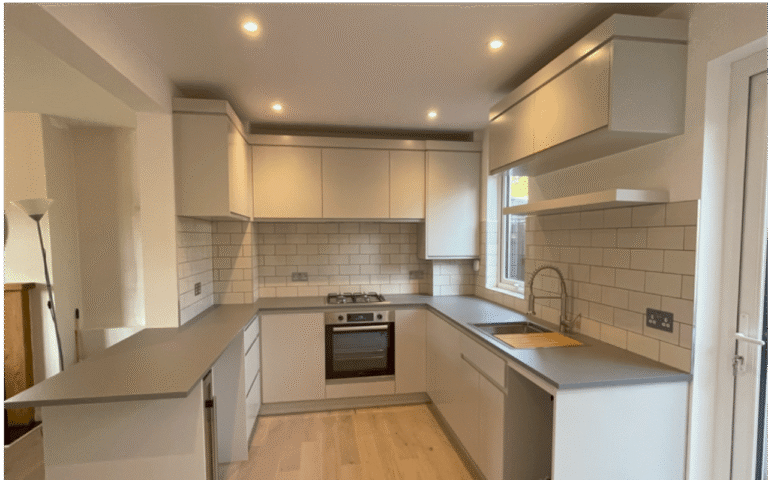
Thinking about renovating your kitchen in London? You’re not alone. A kitchen renovation is one of the most popular home improvements in the capital right now — and for good reason. It adds value, transforms your daily life, and turns what is often the most-used room in the house into somewhere you actually want to spend time.
But let’s be honest: one of the first questions everyone asks is, “How much is this going to cost me?” And honestly? It’s a fair question, because getting it wrong can be genuinely painful. We’ve spoken to homeowners across South East, South West, and Central London who’ve gone in with one number in mind and come out the other side with a very different experience.
That’s why we’ve put together this guide. Based on real project data in 2026, expert insights, and the work we do every day across London boroughs, this is the most up-to-date, honest breakdown of kitchen renovation costs you’ll find. Whether you’re looking for a simple refresh or a full structural overhaul with an extension, we’ve got you covered.
What Does Your Budget Actually Get You in 2026?
Kitchen Renovation Cost in London: What to Expect
Before we get into the numbers, it’s worth acknowledging something: older cost estimates from three to five years ago are no longer reliable. Material costs and skilled labour rates in London have both risen significantly. If you’re looking at data from 2020 or 2021, add at least 10–15% to those figures to get anywhere near today’s reality.
With that in mind, kitchen renovation costs in London generally fall into three clear brackets:
|
Tier |
Typical Cost |
What’s Included |
|
Budget Refresh |
£3,000 – £8,000 |
New doors, handles, laminate worktops, basic tiling, simple flooring |
|
Standard Full Renovation |
£8,000 – £18,000 |
New units, mid-range appliances, plumbing and rewiring, professional fitting |
|
High-End / Luxury |
£25,000 – £50,000+ |
Bespoke cabinetry, quartz worktops, premium appliances, structural changes |
The Budget Refresh (£3,000 – £8,000)
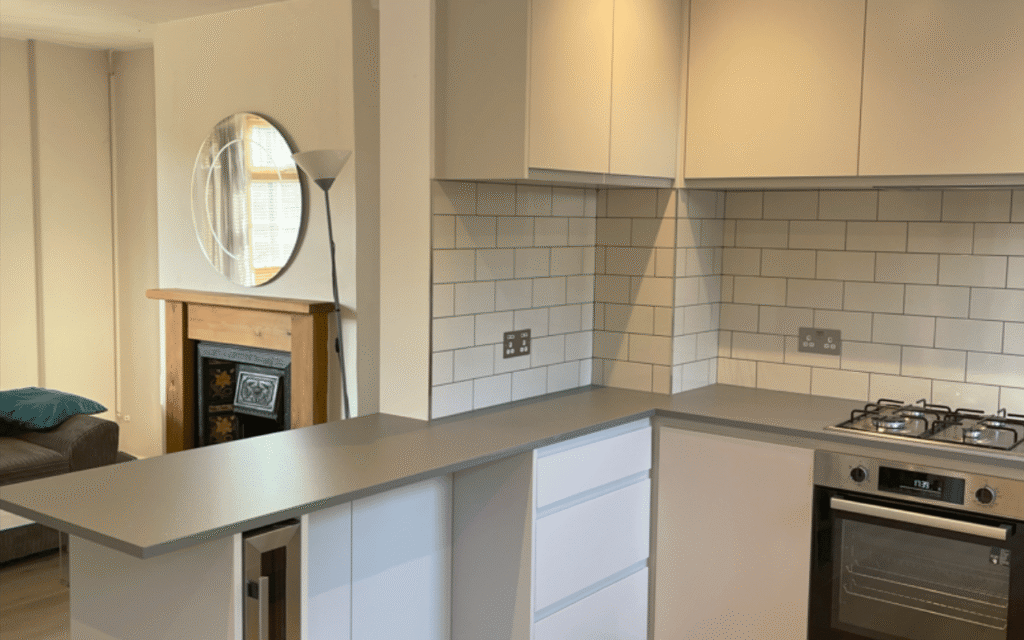
If your kitchen layout works and you’re not moving anything structural, a cosmetic refresh can make a dramatic difference at relatively modest cost. This typically covers replacing cabinet doors and handles, fitting laminate or standard worktops, updating the tiling and splashbacks, and refreshing the flooring.
This is a smart route for rental properties, or for homeowners who want an upgrade without the disruption of a full renovation. It’s also a sensible choice if you’re planning to sell and want to improve kerb appeal without overcapitalising
The Standard Full Renovation (£8,000 – £18,000)
This is the most common bracket for London homeowners doing a complete kitchen overhaul. For a medium-sized kitchen — typically around 13–15 square metres — this budget covers new units from suppliers like Howdens or Magnet, a full set of mid-range integrated appliances, professional installation labour, plumbing upgrades, and electrical rewiring.
It’s a substantial investment, but one that completely transforms the space and typically adds more value to the property than it costs, particularly in higher-demand London postcodes.
High-End and Luxury (£25,000 – £50,000+)
At the top of the market, a mid-sized handmade kitchen in London with premium finishes can easily reach the £50,000 mark — and that’s before any structural changes. This budget unlocks bespoke cabinetry, hand-painted finishes, quartz or granite worktops with waterfall islands, and high-end appliances from brands like Miele or Gaggenau. It also typically involves more complex design work, coordinated trades, and a longer project timeline.
If you’re in a property in Chelsea, Kensington, or Westminster, a kitchen at this level is often expected — and it makes complete commercial sense.
Where Does the Money Actually Go?
A Component-by-Component Breakdown
One of the most common causes of budget shock is not understanding how the overall cost is made up. Here’s a clear breakdown of the main cost components so you know exactly what you’re paying for.
Cabinetry and Units
Cabinetry is usually the single largest line item in a kitchen renovation. For a standard kitchen of roughly 13.7 square metres, a Howdens range (such as the popular Allendale) typically comes in at £6,800 to £7,500 for the units alone. Magnet, Wren, and similar suppliers are in a comparable range.
If you’re looking to reduce costs here without compromising on quality, DIY Kitchens is worth researching. If you’re prepared to take on the measuring and design work yourself, their factory-direct model can significantly undercut trade suppliers. The trade-off is time and knowledge — but for a confident homeowner, the savings can be several thousand pounds.
At the premium end, handmade and bespoke cabinetry from companies like deVOL or Neptune operates on a completely different pricing level — but the quality and longevity are genuinely in a different league.
Worktops: Laminate vs Quartz vs Stone
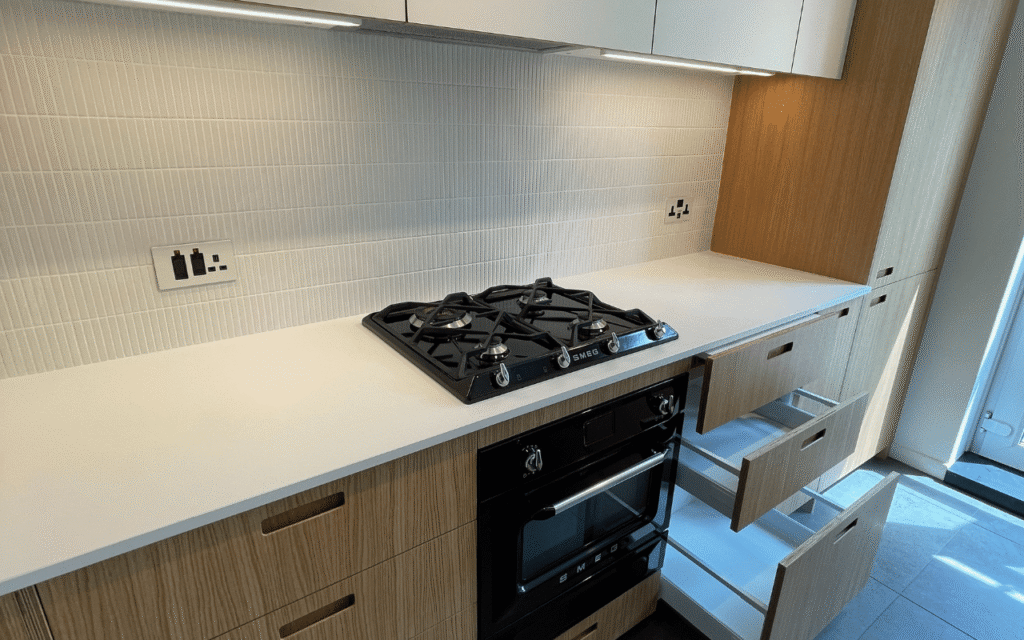
Your worktop choice has a bigger impact on both the look and cost of your kitchen than almost any other single decision. The gap between laminate and stone is enormous.
Laminate worktops remain a practical, budget-friendly option — they’ve come a long way in terms of visual quality and are perfectly suitable for mid-range renovations. At the other end, a quartz or granite slab in 2026 costs between £2,000 and £5,000 depending on size and thickness (typically 3cm for worktops).
Expert Tip from Silverstone Renovations
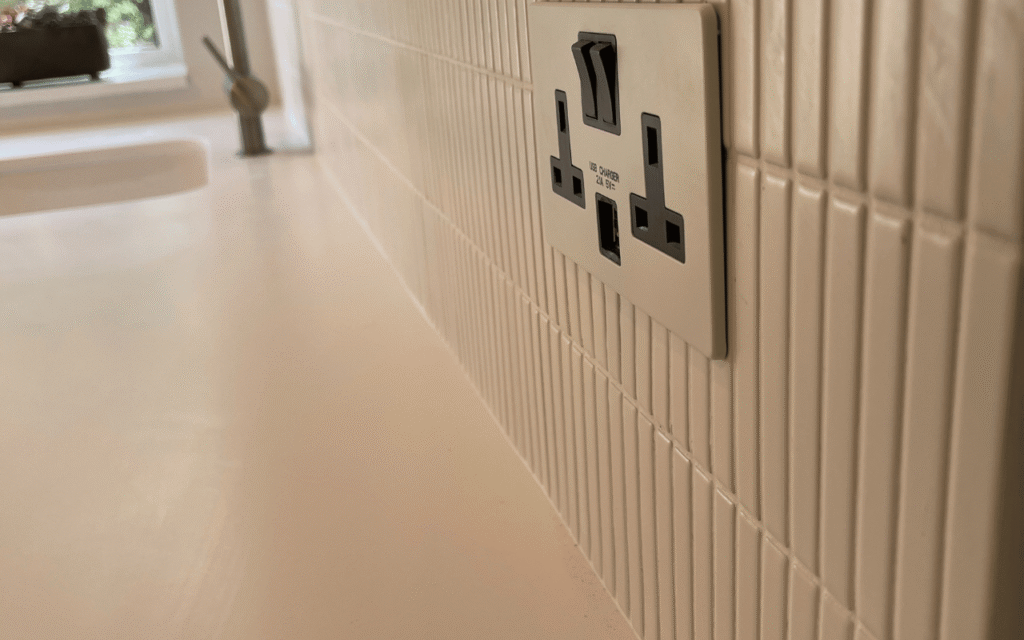
We strongly recommend extending quartz up the wall as a splashback rather than using tiles in that zone. It creates a cleaner, more seamless look — and practically speaking, quartz resists staining from coffee, curry, and cooking oils far better than most tiles or marble alternatives. It’s one of those decisions that pays for itself over time.
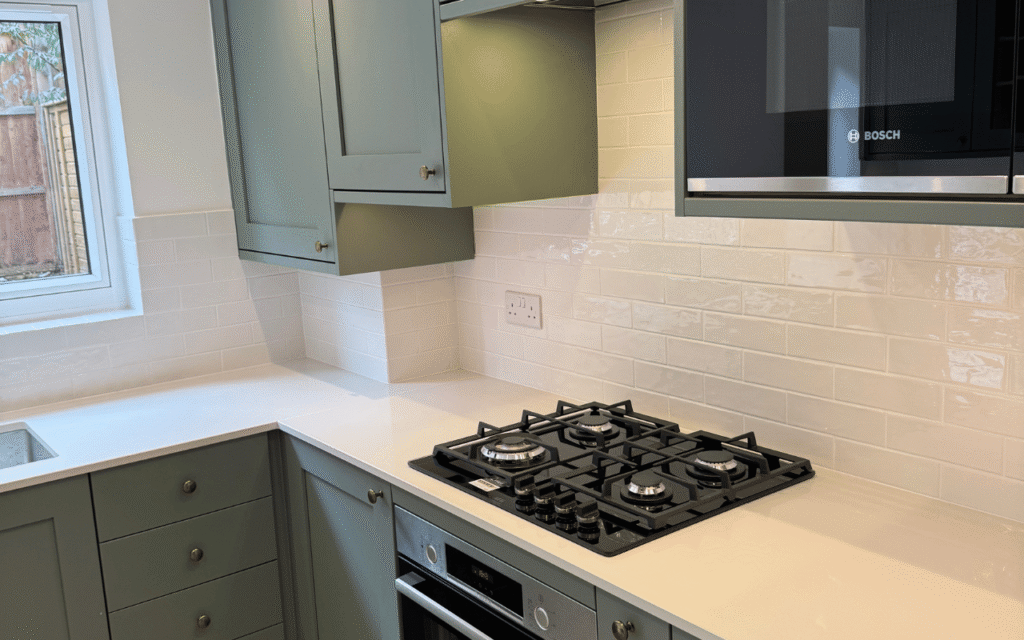
Marble is beautiful but requires considerably more maintenance than quartz. Unless you’re committed to sealing it regularly and accepting some patina over time, quartz gives you 90% of the aesthetic at a fraction of the long-term effort.
Appliances
Your worktop choice has a bigger impact on both the look and cost of your kitchen than almost any other single decision. The gap between laminate and stone is enormous.
Laminate worktops remain a practical, budget-friendly option — they’ve come a long way in terms of visual quality and are perfectly suitable for mid-range renovations. At the other end, a quartz or granite slab in 2026 costs between £2,000 and £5,000 depending on size and thickness (typically 3cm for worktops).
Money-Saving Hack
|
Miele operates an outlet in Abingdon that sells display models, returned items, and ex-demo appliances at close to half the retail price. For other brands, check manufacturer-direct outlets and end-of-year clearance sales. The appliances are functionally identical — you’re just not paying for the showroom experience. |
Flooring
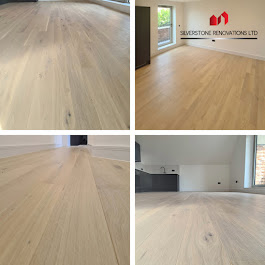
Kitchen flooring is often underestimated in budgets. Porcelain or ceramic tiles are the most popular choice in London kitchens — durable, easy to clean, and available across a huge range of price points. LVT (luxury vinyl tile) has also become increasingly popular, offering a warmer underfoot feel with impressive durability.
For a standard kitchen, expect to budget £800–£2,500 for materials, with labour on top depending on the complexity of the pattern and the condition of your subfloor (more on that below).
The London Labour Premium:
What You're Really Paying for Skilled Trades
This is the part that catches a lot of people out, particularly those who have had work done outside London or are comparing online quotes from national companies. Labour rates in London — and across the South East generally — are significantly higher than the rest of the UK. This isn’t a luxury mark-up; it reflects the genuine cost of living, travel, and operating in the capital.
Here’s what to budget for the key labour elements:
- Standard kitchen fitting: £4,200 to £7,000 for professional installation of a full kitchen (units, worktops, appliances).
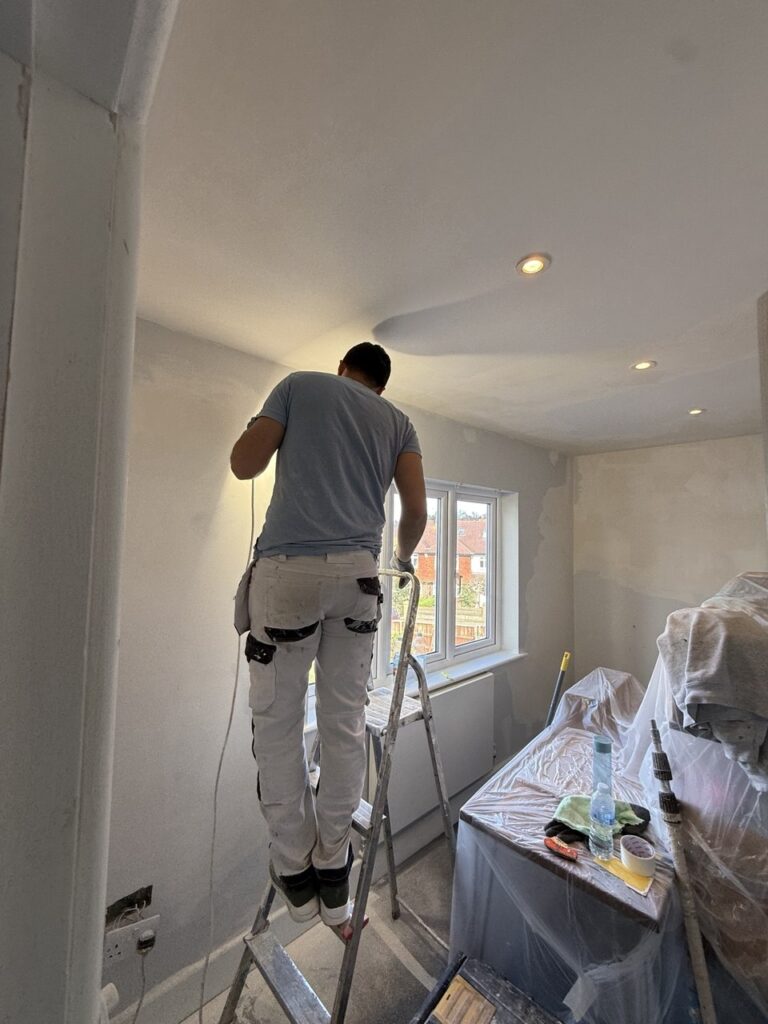
- Plastering: around £1,300 for approximately three days of work, including materials.
- Tiling: complex tiling patterns in London can run from £3,500 to £5,700 for labour alone — patterns like herringbone or large-format tiles take significantly longer.
- Plumbing: moving or upgrading pipework typically adds £1,000–£3,000 depending on scope.
- Electrics: a full rewire for a kitchen circuit can range from £500 to £3,000 depending on the state of existing wiring.
These figures are why it’s so important to get itemised, written quotes. Any contractor who gives you a vague single lump-sum quote without breaking out materials versus labour is a contractor to be cautious of. A reputable firm will always provide clear payment stages and a written scope of work.
Extensions and Structural Work: A Completely Different Financial Conversation
If your renovation involves opening up a wall, creating a kitchen-diner, or adding a rear extension, you’re entering an entirely different budget territory — and one where the variables multiply considerably.
The Cost of a Single-Storey Extension
In London and the South East, building a single-storey extension currently costs between £1,800 and £2,500 per square metre for the structure itself. A modest 4m x 5m extension (20 sqm) therefore costs £36,000 to £50,000 for the build alone.
But the total project cost tells a different story. Once you factor in bifold or sliding doors (typically £3,000–£8,000), rooflights or skylights, internal remodelling, and the kitchen installation itself, the full project cost for an extended kitchen renovation frequently climbs to £70,000–£100,000 or above.
Knocking Through Walls
Even without a full extension, removing a wall to create an open-plan space requires structural engineering. Steel beams to support the load above cost between £1,500 and £5,000 depending on the span and load. You’ll also need structural engineer sign-off, which adds a few hundred pounds but is non-negotiable for building regulations compliance
Planning Permission
Most rear extensions in London fall within permitted development rights, meaning you don’t need planning permission — but it’s always worth confirming with your local council, particularly in conservation areas or for listed buildings. A good renovation company will handle this assessment for you as part of the initial planning stage.
The Hidden Costs That Blow Budgets — and How to Prepare
Ask any experienced London renovation contractor what the most common cause of cost overruns is, and you’ll hear the same answer every time: unforeseen issues hidden behind walls, under floors, or in the existing infrastructure. London’s housing stock is old — much of it Victorian and Edwardian — and surprises are genuinely the rule rather than the exception.
Here are the most common hidden costs, and how to protect yourself:
Planning Permission
Ask any experienced London renovation contractor what the most common cause of cost overruns is, and you’ll hear the same answer every time: unforeseen issues hidden behind walls, under floors, or in the existing infrastructure. London’s housing stock is old — much of it Victorian and Edwardian — and surprises are genuinely the rule rather than the exception.
Here are the most common hidden costs, and how to protect yourself:

Outdated Electrics
Many London homes, particularly pre-1970s properties, still have outdated wiring that doesn’t meet modern standards. A kitchen renovation almost always triggers an electrical inspection, and if the existing circuits are insufficient or unsafe, rewiring costs can add £500 to £3,000 to your budget.
Subfloor Problems
Removing old tiles frequently reveals damaged or uneven subfloors. This might mean replacing sections of timber joisting, laying plywood to create a stable surface, or in the case of concrete floors, screeding to level the substrate. These are real costs that are impossible to quote accurately until the existing flooring comes up.
Plumbing Surprises
Pipework in older properties can be corroded, undersized, or in completely unexpected locations. Moving or upgrading drainage and supply pipes always takes longer than anticipated in older buildings.
Structural Discoveries
Once walls come down, hidden structural elements sometimes require additional engineering work. This is rare but can add significant cost when it occurs.
The Golden Rule: Always Build in a 20% Contingency
This is not pessimism — it’s professional project management. If you budget £18,000, set aside an additional £3,600 contingency. If you don’t need it, you’ll be delighted. If you do, you’ll be relieved. The worst scenario in any renovation is running out of money halfway through
How to Keep Your 2026 Kitchen Renovation On Budget
You don’t need an unlimited budget to get a beautiful, high-quality kitchen. What you need is smart decision-making from the start. Here are the most effective strategies for controlling costs without compromising on the result:
.
Keep the Layout Where Possible
You don’t need an unlimited budget to get a beautiful, high-quality kitchen. What you need is smart decision-making from the start. Here are the most effective strategies for controlling costs without compromising on the result:
This is the single most impactful decision you can make for your budget. Moving your sink, hob, or boiler means moving pipework and gas supplies — and that’s expensive. If your current kitchen layout broadly works, keeping the main services in place can save you thousands in plumbing and gas engineer costs.
Keep the Layout Where Possible
You don’t need everything to be premium to get a premium result. The most effective approach is to spend on the things you touch and see every day — the worktop, the handles, the taps — while using more cost-effective units behind the doors. A mid-range Howdens cabinet with a beautiful quartz worktop and high-quality handles looks and feels luxurious. Nobody knows or cares about the carcass behind the door.
DIY the Demolition
The rip-out phase — removing old units, tearing out old tiles, clearing away the existing kitchen — is hard physical work but doesn’t require any specialist skill. If you’re physically capable and have a way to hire a skip, doing this yourself can save £1,000–£2,000 in labour costs. Just make sure your contractor is happy for you to do this, and agree exactly what needs to be removed before you start.
Avoid Mid-Project Changes
Changing your mind once the project is underway is one of the fastest ways to blow a budget. “Can we just move this wall?” or “Actually, I’d prefer the island over there” sounds like a small change. In practice, it means cancelling orders, re-designing, re-ordering, and additional labour — costs that snowball quickly. Invest time in the design phase to get it right, then commit to the plan.
Get Fully Itemised Quotes
Never accept a quote that just says “kitchen renovation — £15,000.” A proper quote should break down the cost of materials versus labour, list specific products and specifications, identify clear payment milestones, and define what happens if unforeseen work is discovered. This protects both you and your contractor and avoids disputes later.
Time Your Project Wisely
The kitchen renovation market in London has seasonal rhythms. January to March tends to be quieter for contractors, which occasionally means more competitive pricing or better availability. Summer and early autumn are typically the busiest periods, when finding a quality contractor at short notice becomes harder and prices reflect demand
Questions to Ask Before You Hire a Kitchen Renovation Company in London
Choosing the right contractor is arguably more important than any individual design decision. The best kitchen in the world can be ruined by poor execution — and a good contractor can make a modest budget go a very long way. Here are the questions you should always ask:
- How long have you been working in London, and can I see projects similar to mine?
- Do you manage the full project — design, trades, permits — or do I need to coordinate separately?
- Who specifically will be on site each day, and will there be a dedicated project manager?
- What happens if unforeseen structural or plumbing issues are discovered during the project?
- Do you provide a written warranty on both materials and workmanship?
- Can I speak to previous clients in similar London properties?
- What are your payment milestones, and do you require a large upfront deposit?
A company with nothing to hide will welcome these questions. Any contractor who is evasive, vague, or pressure-sells on timeline is one to treat with caution.
What Does a Good London Kitchen Renovation Look Like in Practice?
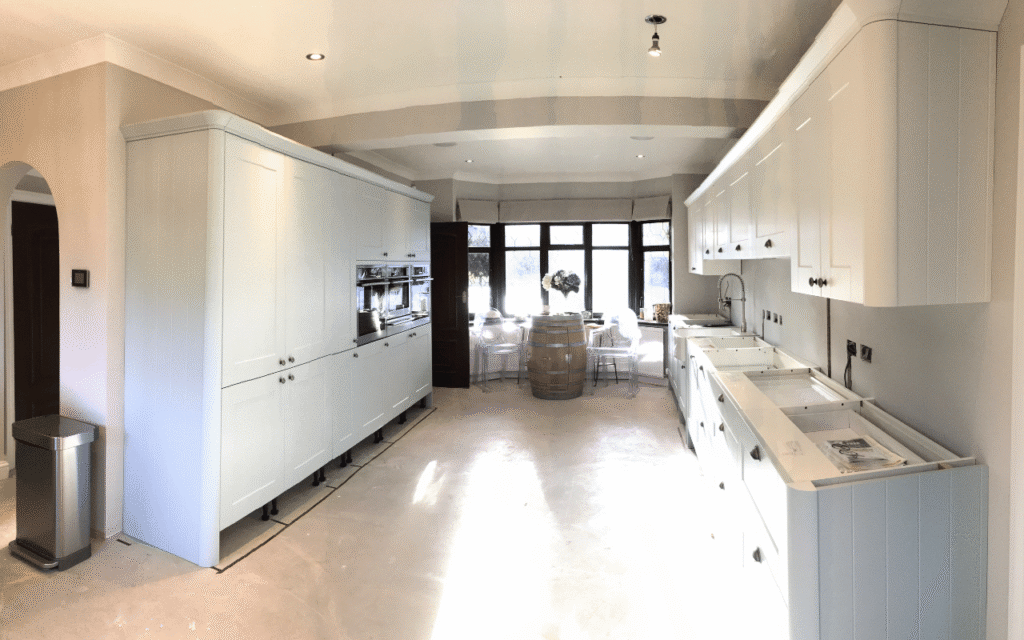
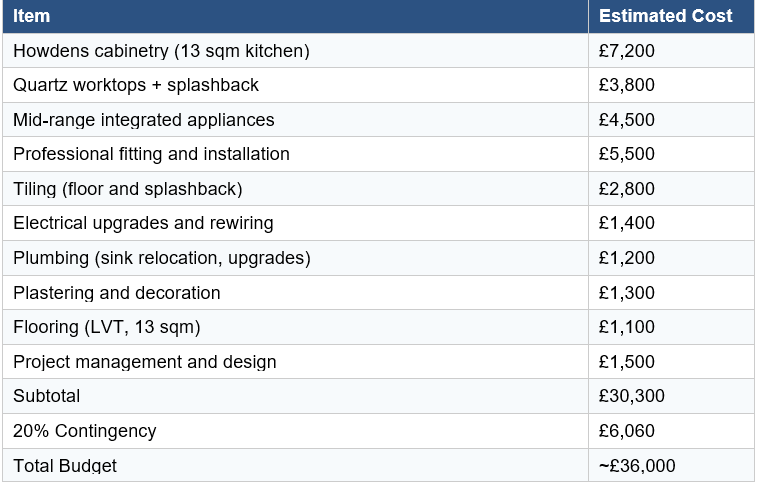
To bring all of these figures to life, here’s a realistic worked example of a full kitchen renovation in a typical Victorian terrace in South East London, based on the kind of project Silverstone Renovations completes regularly across the capital.
To bring all of these figures to life, here’s a realistic worked example of a full kitchen renovation in a typical Victorian terrace in South East London, based on the kind of project Silverstone Renovations completes regularly across the capital.
Final Thoughts: Plan Carefully, Choose Wisely, Enjoy the Result
A kitchen renovation in London is a significant investment — but it’s also one of the most rewarding things you can do for your home. When it’s done well, it changes how you use your house, how you feel when you walk in through the door, and meaningfully increases the value of your property.
The key to getting it right in 2026 is not just having a budget — it’s having a realistic one, built on accurate, current data with a proper contingency built in. It’s about choosing a renovation partner who will be transparent with you from day one, handle the complexity so you don’t have to, and deliver a finished result that exceeds your expectations.
At Silverstone Renovations, we’ve been transforming London kitchens for over 20 years. We work across South East, South West, Central, and East London — from Southwark and Greenwich to Westminster and Chelsea — and every project comes with our commitment to quality craftsmanship, honest pricing, and work that stands the test of time.
If you’re starting to think about a kitchen renovation and want an honest, no-obligation conversation about what’s possible within your budget, we’d love to hear from you.